The municipalities of Paiporta, Catarroja and Massanassa have received the "Reacciona" grant for the development of new cycle-pedestrian routes. The aim of this grant, and the work of Paimed, is to develop new models of sustainable mobility systems, on foot and by bicycle.
Within the framework of the projects developed by the regional government (Diputación Provincial of Valencia), the municipalities of Paiporta, Catarroja, and Massanassa have been granted the subsidy ‘Reacciona’ for the development of new cycle-pedestrian routes. The goal is to develop new models of sustainable mobility systems, on foot and by bicycle.
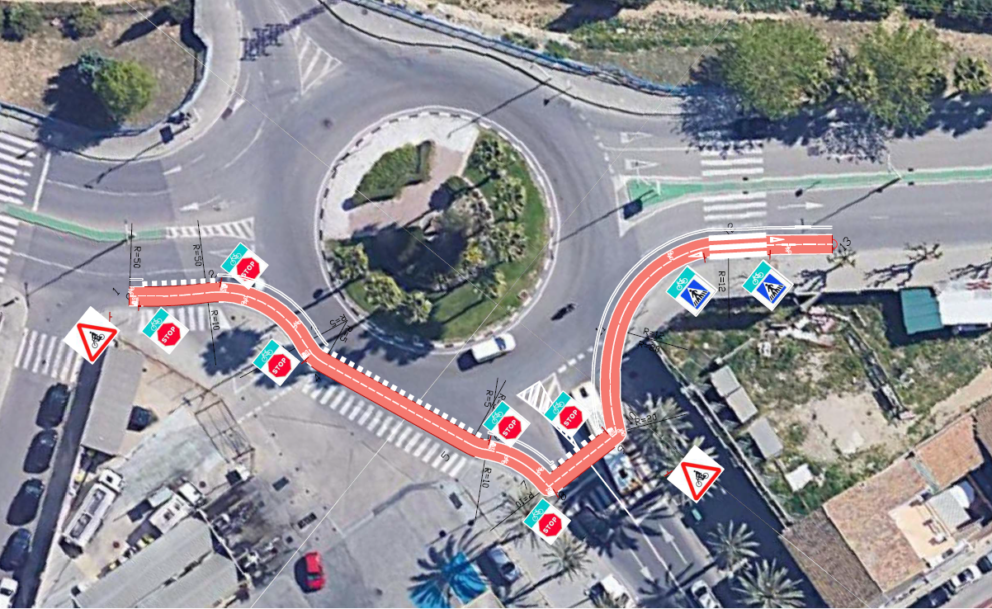
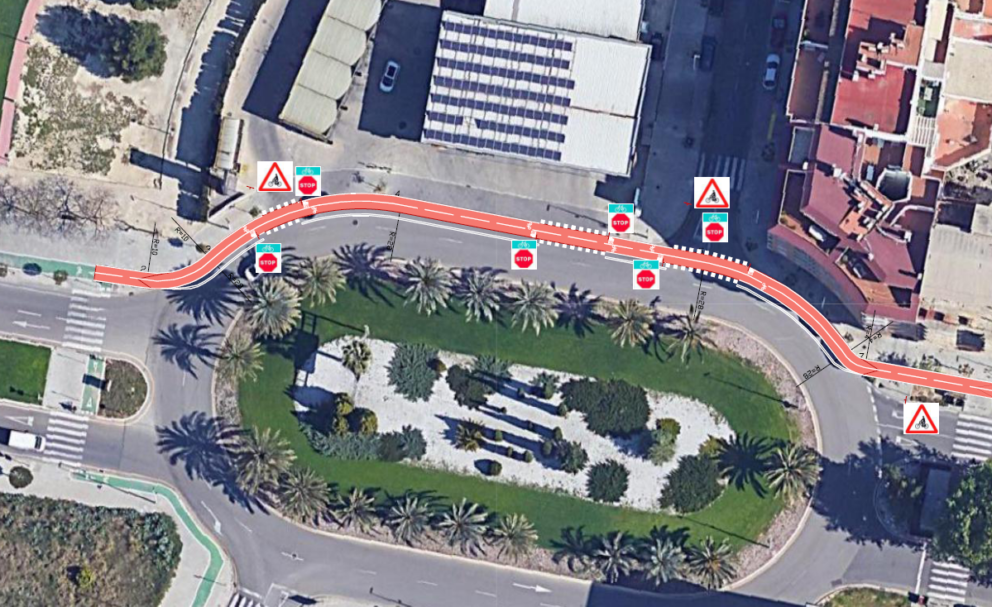
As an outcome, the construction of new cycle-pedestrian lanes is proposed. These lanes will connect the three municipalities above mentioned belonging to the ‘Horta Sur’ region and with the existing cycle-pedestrian lane network in the three municipalities.
Between the main goals of commissioning the new connection Paiporta-Catarroja-Massanassa South route, we can find the following:
- Link and allow sustainable mobility of the municipalities of Paiporta, Catarroja, and Massanassa.
- Connect the new sections of the cyclo-pedestrian route with the existing network in each municipality.
- Encourage the connectivity of green infrastructure between municipalities.
- Encourage cycling for short and medium commuting.
- Meet the growing demand for these kinds of routes for leisure, recreational, healthy, and mobility daily use.
- Reveal the ‘El Poyo’ watercourse.
- Connect the three municipalities with the transnational cyclist route
- “Eurovelo 8 – Mediterranean route”
In the project design 6 sections of lanes are defined. The first belongs to the municipality of Paiporta, three more to the municipality of Catarroja, and the last two to the municipality of Massanassa.
Two kinds of sections of lanes are identified:
- Suburban;
-Section of Lanes 1 and 2. Connects the municipalities of Paiporta and Catarroja. - Urban;
-Section of lanes 3 and 4, connects the different existing cycling lanes in the municipality of Catarroja.
-Section of lanes 5 and 6, connects the municipality of Massanassa with the existing cycling lane in the CV-400.
To conclude, it is worth highlighting that the draft of this project pretends not only to define infrastructure to link the three municipalities but to create a network that will allow sustainable mobility, improve the conditions of habitability, and put forward the value of the landscape as a cultural, economic and identity asset, allowing the access, knowledge, and enjoyment of the area.
Share this article